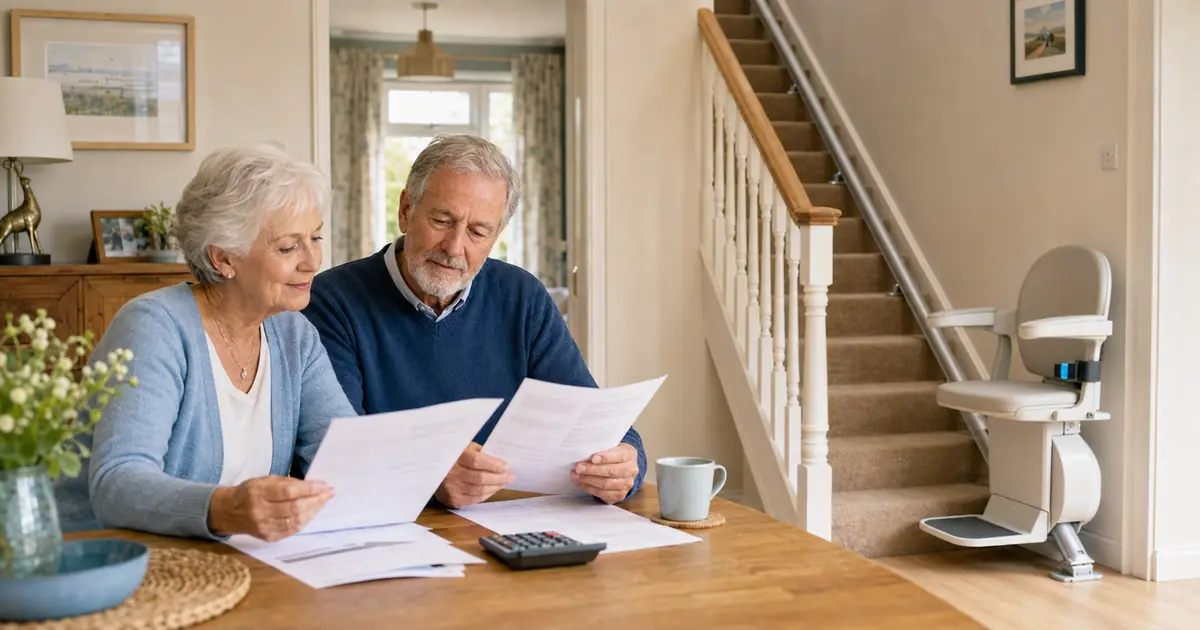
Navigating the world of stairlifts can feel a bit like embarking on a journey up a spiral staircase without a handrail. You want to ensure you’re making the best decision for your mobility needs or those of a loved one. With a plethora of models and features available, understanding the costs involved is vital. Whether you're considering a straight or curved model, new or reconditioned, this guide will illuminate the path to finding the perfect stairlift for your home. Curious about how much a stairlift truly costs and the factors that influence these prices? Read on as we unravel the intricacies of stairlift pricing in the UK.
Key Takeaways
Stairlift prices in the UK vary widely based on model type, customisation, and installation needs
Straight stairlifts are generally more affordable than curved ones due to their simpler design
New stairlifts offer the latest technology, while reconditioned models provide cost-effective alternatives
Custom features and VAT exemptions can significantly affect the overall cost of a stairlift
Seeking multiple quotes and considering grants can help you find the best deals
Understanding Stairlift Costs in the UK
When it comes to stairlifts, there's no one-size-fits-all answer regarding cost. The price can fluctuate significantly depending on several factors. On average, you might find that stairlift prices in the UK start around £2,000 for a basic straight model, but they can climb to £5,000 or more for complex curved models. The key here is understanding what you're paying for.
Straight stairlifts are generally the entry-level option, offering a simple and efficient solution for straight stairs. Their pricing is usually more predictable and tends to be lower due to the straightforward nature of their design. On the other hand, curved stairlifts require customisation to fit unique staircase configurations, which naturally increases the cost. These models can range from £4,000 to £9,000, depending on the intricacy of the staircase and the features added.
Installation fees should also be considered when budgeting for a stairlift. Professional installation ensures safety and proper function, but it does add to the overall cost. Many suppliers offer package deals where installation is included, but it’s crucial to confirm this to avoid unexpected expenses.
Financing options are often available through stairlift suppliers, making it easier to spread the cost over time. This can be particularly helpful if upfront costs are a concern. Additionally, eligible individuals might find relief through government grants and schemes aimed at assisting with mobility aids. Checking your eligibility for such assistance could significantly reduce your out-of-pocket expenses.
Factors Influencing Stairlift Prices
The design of your staircase plays a pivotal role in determining the cost of a stairlift. A straight staircase is the simplest and most cost-effective to accommodate, while those with curves, landings, or spirals require custom-built rails, which naturally inflate the price. The complexity of the staircase necessitates precision in manufacturing and installation, resulting in higher costs.
Brand reputation is another factor that affects stairlift pricing. Well-known brands like Stannah and Acorn are often associated with quality and reliability, which can command a higher price tag. However, investing in a reputable brand may offer long-term savings through durability and service guarantees.
Additional features can also contribute to the cost. Remote controls, powered swivel seats, and folding rails are examples of optional extras that can enhance convenience but also add to the overall price. It's worth considering which features are essential for your needs and which you can forego to keep costs in check.
The installation location—whether indoors or outdoors—can also impact pricing. Outdoor stairlifts require weatherproofing and additional protections against the elements, making them more expensive than their indoor counterparts.
Finally, urgency plays a role. If you require a next-day installation, you may incur additional charges due to the expedited service. Planning ahead and allowing for standard installation timelines can help avoid these extra costs.
Comparing Straight and Curved Stairlift Pricing
Straight stairlifts are typically more budget-friendly due to their simpler design. They use standardised rails that fit any straight staircase, which makes both manufacturing and installation more straightforward and less costly. These models are often quicker to install, reducing labour costs and making them a popular choice for straight stairs.
Curved stairlifts, however, are a different story. They must be custom-designed to fit the unique twists and turns of your staircase. This bespoke approach results in longer installation times and higher prices. You can expect to pay a premium for the precision engineering required to navigate your specific staircase layout.
Despite the higher cost, curved stairlifts offer a tailored solution for complex staircases. If your home features spiral or narrow stairs, a curved model is likely necessary. The customisation ensures a perfect fit and safe operation, justifying the additional expense.
Straight stairlifts generally range from £2,000 to £3,000, while curved models can start at £4,000 and go up to £9,000 or more. The choice between the two often boils down to the type of staircase you have and the specific mobility needs you’re addressing.
In summary, if your goal is to minimise costs and your staircase is straight, a straight stairlift is the way to go. However, for homes with intricate staircases, investing in a curved model provides a bespoke solution that meets your mobility requirements.
Exploring Options: New vs. Reconditioned Stairlifts
Opting for a new stairlift means you're getting the latest technology and often a comprehensive warranty, which can provide peace of mind. New models also come with the assurance of durability and the ability to incorporate the latest features that enhance usability and comfort.
Reconditioned stairlifts, on the other hand, offer significant savings. These models have been previously used but are refurbished to meet safety and performance standards. While they may not include all the latest bells and whistles, they maintain essential functionality and can be a cost-effective alternative.
The availability of reconditioned models can be hit-or-miss, depending on the supplier and current stock. However, if you're not in a rush and are flexible with your requirements, you can find excellent deals on these pre-owned units.
Reconditioned stairlifts generally come with a shorter warranty period, but many suppliers offer adequate coverage to ensure any initial issues are addressed. This option might also be appealing if you're planning for short-term use, such as for recovery from surgery.
Some companies provide buy-back options for stairlifts, which can further reduce long-term costs. This allows you to recoup a portion of your investment if the stairlift is no longer needed, adding an element of financial flexibility to your purchase decision.
Custom Features and Their Impact on Stairlift Pricing
Customising your stairlift can enhance its functionality and aesthetics but often comes at an additional cost. For instance, choosing custom upholstery or specific colour schemes may personalise your stairlift but increase the price. These options allow you to match the stairlift with your home’s decor, creating a more seamless integration into your living space.
Powered options such as folding rails or remote controls add convenience by making the stairlift easier to use. While these features are not always necessary, they can significantly enhance the user experience, especially for those with limited mobility. However, they do add to the overall price, so it’s important to weigh their benefits against your budget.
Safety features like seatbelts and sensors are crucial for ensuring a safe ride and should not be overlooked. Though they might elevate costs slightly, these features can prevent accidents and provide peace of mind.
Upgraded battery systems are another consideration, especially in areas prone to power cuts. A reliable battery ensures the stairlift remains operational during outages, but this security comes at a higher price. Evaluating your home’s power reliability can help you decide if this is a necessary investment.
Finally, personalised rail designs can accommodate specific mobility needs. Custom rails ensure the stairlift fits perfectly and operates smoothly, but the precision required for these designs can push the cost upwards.
Free Home Assessments: How They Affect Stairlift Costs
Many stairlift suppliers offer free home assessments, which can be invaluable in determining the most suitable stairlift model for your home. These assessments provide an opportunity for a professional to evaluate your staircase and suggest the best options, ensuring you receive an accurate pricing estimate.
A home assessment ensures the chosen stairlift model fits your home’s layout and meets your personal needs. This step helps avoid unexpected costs or complications during installation, as the surveyor can identify any potential challenges beforehand.
During a home visit, you’ll often receive personalised advice on stairlift features and options. This tailored guidance helps you make informed decisions about which features are necessary and which you might forgo, potentially saving money.
Assessments can also identify installation challenges that might affect cost planning. Knowing these challenges upfront allows you to budget more accurately and avoid surprises later.
Taking advantage of free home assessments is a wise move. It not only aids in selecting the right stairlift but also ensures you have a clear understanding of the costs involved, helping you make a well-informed purchase.
Comparing Top Stairlift Brands and Their Costs in the UK
When exploring stairlift options, the brand you choose can significantly impact cost and quality. Leading brands like Stannah and Acorn offer a range of models at different price points, each with its own set of features and advantages.
A brand’s reputation often correlates with its quality and reliability. Opting for a well-regarded brand may mean a higher initial cost, but it often results in better customer satisfaction and long-term value. These brands typically offer robust warranties and reliable service, which can save money on repairs and maintenance over time.
Competitive pricing among top brands provides options to suit various budgets. While some brands focus on affordability, others specialise in bespoke solutions, catering to unique staircase designs. Your choice will depend on your specific needs and the complexity of your staircase.
Customer reviews and ratings are invaluable resources when comparing brands. They offer insights into the reliability and value for money of different models, helping you make a decision with confidence.
Ultimately, choosing the right brand involves balancing cost with the assurance of quality and service. Taking the time to research and compare can lead to a stairlift that perfectly meets your needs and budget.
Finding the Best Deals: Tips for Affordable Stairlift Prices
Finding the best deals on stairlifts involves a bit of legwork but can lead to significant savings. Start by comparing multiple quotes from different suppliers. This approach not only uncovers the best deals but also gives you leverage to negotiate for additional price reductions or added features.
Keep an eye out for seasonal discounts and promotions. Stairlift suppliers often offer these during certain times of the year, presenting an opportunity to save money.
Don’t be afraid to negotiate with suppliers. Many are willing to offer price reductions or extras if it means securing your business. It never hurts to ask, and you might be pleasantly surprised by what’s on offer.
Online reviews and testimonials provide valuable insights into price satisfaction and service quality. Reading these can give you a sense of whether a supplier’s pricing reflects their service and product quality.
Lastly, consider loyalty programmes or referral schemes. Some suppliers offer discounts to returning customers or those referred by existing clients. These programmes can provide additional savings, making your stairlift purchase more affordable.
Your Personalised Stairlift Pricing Guide: Making the Right Choice
Choosing the right stairlift is a personal journey, influenced by your unique needs and home layout. A personalised pricing guide helps you navigate through the myriad options available, ensuring you make an informed decision that aligns with your budget and mobility requirements.
When evaluating stairlift pricing, consider the long-term value and reliability of the model. While it might be tempting to opt for the cheapest option, investing a little more in quality and features can pay dividends in terms of performance and durability.
Ongoing maintenance and service plans should also factor into your total cost. Regular servicing ensures your stairlift remains in top condition, extending its lifespan and safeguarding your investment.
Balancing your budget with the features you need is key to making the right choice. Consider your present mobility needs and anticipate future requirements to select a stairlift that will serve you well in the long run.
In conclusion, the path to finding the perfect stairlift involves a blend of research, comparison, and consideration of your personal needs. By following this guide, you'll be well-equipped to make a decision that enhances your mobility and brings peace of mind.
What's your next step in finding the perfect stairlift for your home?
Frequently Asked Questions
What is the average cost of a stair lift in the UK?
The cost of a stair lift in the UK can vary quite a bit. On average, you might expect to pay between £2,000 and £5,000. This price range depends on factors like the type of staircase (straight or curved), the model you choose, and any additional features. It's worth shopping around and getting quotes from several suppliers to ensure you're getting the best deal for your needs and budget.
Will the NHS pay for a stair lift?
The NHS typically doesn't cover the cost of stair lifts. However, some local councils offer financial assistance or grants to help with the purchase. It's a good idea to contact your local council to see if you qualify for any schemes that could help reduce the financial burden. Occupational therapists can also provide advice on available resources and support.
Can elderly get a free stairlift?
A free stair lift isn't commonly available, but some charities and local councils offer assistance to those in need. Eligibility often depends on factors like income and the specific requirements of the individual. It's worth exploring options like Disabled Facilities Grants, which can help cover costs for eligible applicants. Reaching out to charities specialising in elderly care might also uncover potential support.
What is the average cost of a Stannah stairlift?
Stannah stairlifts are a popular choice in the UK, and their prices usually range from £2,500 to £6,000. The exact cost depends on your staircase type and any additional customisations or features you might need. Stannah offers a variety of models, each designed to cater to different needs and preferences, so it's advisable to request a personalised quote for the most accurate pricing.