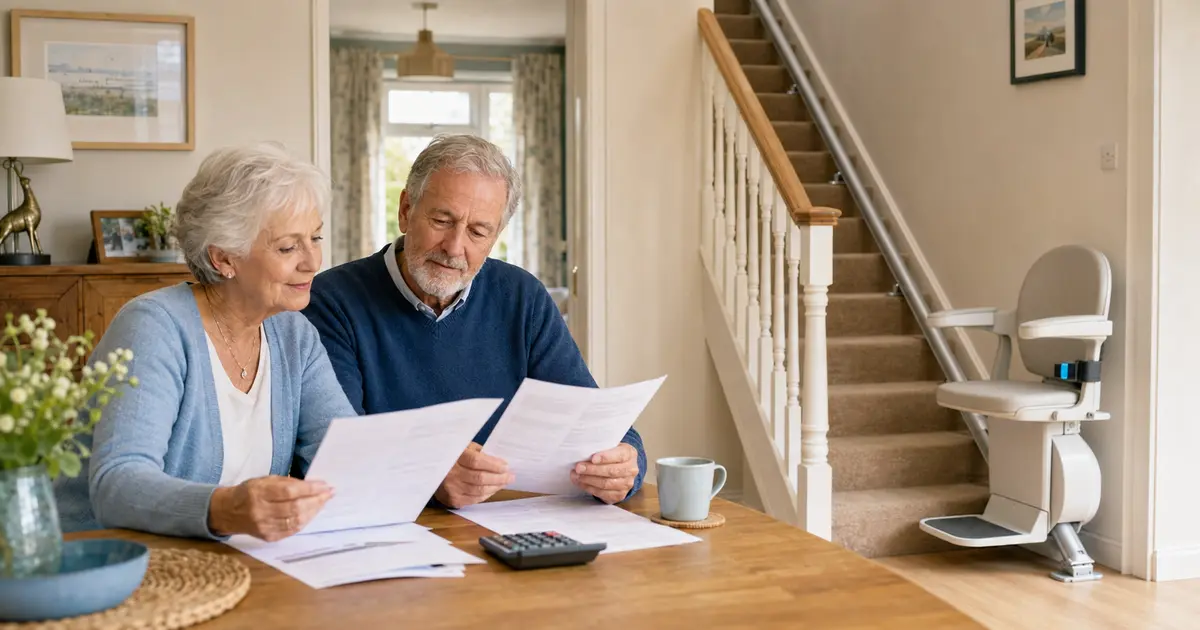
Are you considering purchasing a stairlift for yourself or a loved one? The decision involves more than just choosing a model; it’s about ensuring safety, comfort, and independence at home. But what about the cost? Many factors influence the price of a stairlift in the UK, from the type of staircase to the features you select. Let’s explore the financial side of this crucial investment, so you can make an informed decision without any hidden surprises.
Have you ever wondered how much a stairlift really costs and what factors could influence this?
Key Takeaways
- Stairlift prices vary widely based on type, features, and installation
- Straight stairlifts are typically less expensive than curved or outdoor models
- Installation and customisation significantly impact the final price
- New and reconditioned options offer different price points and benefits
- Rental options might suit short-term needs but could be costlier in the long run
Understanding Stairlift Costs in the UK
When it comes to understanding stairlift costs in the UK, there’s a lot to unpack. These essential mobility aids can vary greatly in price, largely depending on the type and features you choose. For many, the first question is about the stairlift cost. It’s not just about the initial purchase price, but the overall investment that includes installation and potential customisation options.
The type of staircase in your home plays a significant role in determining the stairlift price. A straight staircase typically means a lower cost, while a more complex curved staircase can increase the price significantly. This is because curved stairlifts require a custom-made rail, tailored to the unique contours of your staircase.
Installation fees are another critical aspect of the overall stairlift cost. While some companies might include installation in the purchase price, others may charge separately. It’s essential to factor this into your budget to avoid any surprises. Customisation options, such as upgraded seat cushions or additional safety features, can also increase the price, but they might be worth considering for added comfort and peace of mind.
Different brands offer a range of prices and quality levels. It's wise to research various stairlift options, as some brands may offer better warranties or higher quality materials, which could influence your decision. Ultimately, understanding the average cost and the factors that affect it will help you make a well-informed choice for your home and your needs.
Exploring the Average Cost of Straight Stairlifts
Straight stairlifts are often the go-to choice for homes with a standard, straight staircase. These models are generally more affordable than their curved counterparts, making them an attractive option for many. But what should you expect to pay if you’re considering a straight stairlift?
The average cost of a straight stairlift starts at around £2,300. This price is for basic models that cater to straight stairs without any additional features. While it might be tempting to opt for the most economical model, consider whether extra features like a swivel seat or remote control would enhance usability and make life easier.
Prices can rise if you’re looking at premium brands or additional features. Some models offer advanced technology, like battery backup systems or enhanced safety features, which can drive the price higher. However, these added benefits might be worth the investment for the peace of mind they provide.
Installation for straight stairlifts is usually simpler and cheaper than for curved models. The straightforward nature of the rail means less customisation is needed, which can save you money. However, it’s still important to factor in any potential installation costs when budgeting for your stairlift.
Efficiency and reliability often underlie the cost of straight stairlifts. Brands known for their dependable products might come with a higher price tag, but the trade-off is less worry about maintenance or repairs down the line. In the long run, investing in a reliable model could save you both time and money.
Deciphering the Price of Curved Stairlifts
Curved stairlifts are a different breed, designed to navigate the twists and turns of a more complex staircase. This capability comes at a higher cost, but for many, it’s an essential investment in accessibility. So, how much should you budget for a curved stairlift?
Prices for curved stairlifts typically start at around £5,000. This higher starting price is due to the custom rail requirements that each curved staircase demands. Unlike straight stairlifts, these rails need to be crafted to fit the unique contours of your staircase, which adds to the cost.
The complexity of your staircase will directly impact the final price. The more bends and turns, the more intricate the design, and the higher the cost. It’s crucial to get an accurate quote based on your specific staircase layout to understand the true cost of a curved stairlift.
Additional features can also significantly increase costs. Options like power swivel seats, custom upholstery, or advanced safety mechanisms may add to the price, but they could also enhance the usability and comfort of the stairlift. Weighing these options carefully is key to making the right choice for your needs.
The installation process for curved stairlifts is more intricate, which can affect the price. It’s not just a matter of fitting a rail; it’s about ensuring that the stairlift operates smoothly and safely along every curve. This complexity makes professional installation even more critical, albeit at an additional cost.
Outdoor Stairlifts: What to Expect in Terms of Cost
Outdoor stairlifts offer a unique solution for those needing mobility assistance outside their home. Designed to withstand the unpredictable British weather, these stairlifts are built with durability in mind. But how does this affect the cost?
Prices for outdoor stairlifts usually begin at around £3,000. This starting point reflects the need for weatherproofing and robust materials that can endure rain, wind, and other environmental factors. Unlike indoor models, outdoor stairlifts need extra protection against the elements, which adds to the expense.
Weatherproofing and durability features are key components of the cost. Outdoor stairlifts typically include materials like rust-resistant metals and UV-protected upholstery. These features are essential for long-term use but contribute to the higher price tag.
Installing a stairlift outside involves additional considerations and costs. Ground stability, exposure to the elements, and potential obstacles all play a role in the installation process. These factors may mean extra expenses, but they are crucial to ensuring the stairlift’s safety and longevity.
Regular maintenance is necessary for outdoor stairlifts, which could affect long-term costs. Keeping the equipment in good working order might require more frequent servicing than indoor models. Budgeting for these ongoing costs is important to avoid unexpected expenses down the line.
Comparing New vs. Reconditioned Stairlift Prices
When considering a stairlift purchase, you might wonder whether a new or reconditioned model is best for you. Both options have their pros and cons, and understanding them can help you make a financially sound decision.
New stairlifts come with the latest features and often include warranties, providing peace of mind for many buyers. These models might be more expensive, but they offer the reassurance of reliability and modern technology. If you’re looking for the latest advancements in safety and comfort, a new stairlift could be worth the investment.
Reconditioned stairlifts offer a budget-friendly alternative without sacrificing quality. These models are pre-owned but have been refurbished to meet high standards. The savings on reconditioned units can be significant, making them an attractive option for those looking to cut costs.
Quality and reliability are generally higher in new models, but reconditioned stairlifts can still offer excellent performance. It’s important to purchase from reputable stairlift manufacturers who provide guarantees on their refurbished units. This way, you can enjoy peace of mind without breaking the bank.
While new models might be more reliable, both options require careful consideration of long-term costs. Maintenance and potential repairs are factors to think about, regardless of whether you choose new or reconditioned. Weighing these costs against your budget and needs will guide you to the best choice.
Are Rental Options a Cost-Effective Solution?
For some, renting a stairlift might seem like an appealing option. Especially if you’re facing a temporary mobility issue, rental stairlifts can provide an affordable option without the commitment of a full purchase. However, is renting truly cost-effective?
Rental stairlifts suit short-term needs and provide flexibility. If you’re recovering from surgery or expecting temporary guests with mobility issues, renting might be the perfect solution. It allows you to have a stairlift without a long-term investment.
Monthly rental fees, though, can quickly add up over time. While the initial outlay might be lower than purchasing, ongoing costs can become substantial if you rent for an extended period. It’s wise to calculate the total cost of renting over your anticipated usage period to see if it makes sense financially.
Installation and removal costs are typically part of rental agreements, offering convenience but also adding to the cost. These fees should be considered when comparing rental options to buying outright. Some providers might include maintenance services within rental packages, which can be a perk worth considering.
Renting avoids large upfront payments, but it may cost more long-term. If you anticipate needing a stairlift for more than a year, purchasing might be more economical. Carefully evaluating your needs and budget will help you decide whether renting is the right move.
Additional Costs to Consider When Installing a Stairlift
When planning for a stairlift, it’s easy to focus on the initial purchase price. However, additional costs can creep in, and it’s crucial to consider these to avoid any budget surprises.
Delivery fees may apply depending on the provider and your location. While some companies might include delivery in their quoted price, others may charge extra, especially if you’re in a remote area. Clarifying this upfront can save you from unexpected charges.
Removal of an existing stairlift incurs extra charges if you’re replacing an old unit. This cost varies depending on the complexity of the removal process, but it’s an important consideration if you’re upgrading or switching models.
Customisation needs, such as specific upholstery or additional safety features, can lead to increased costs. While these enhancements can make life easier and more comfortable, they also add to the overall price. Weighing the benefits of customisation against your budget is key in making a well-informed decision.
Maintenance packages are often an additional expense but provide valuable peace of mind. Regular servicing ensures that your stairlift operates safely and efficiently, potentially preventing costly repairs down the line. Including a maintenance plan in your budget can save you money in the long run.
Insurance for your stairlift might offer extra peace of mind but also adds cost. Protecting your investment with insurance can cover unexpected issues or damages, making it a worthwhile consideration for many buyers.
Tips for Finding the Best Stairlift Deals in the UK
Finding the best stairlift deals requires a bit of homework, but the effort can pay off in significant savings. Here are some tips to help you secure the best price and value.
Comparing quotes from multiple providers can reveal savings. Different companies may offer varying prices and deals, so shopping around is essential. Don’t hesitate to request detailed quotes and compare them carefully.
Seasonal sales or promotions offer potential discounts. Keeping an eye on these opportunities can lead to substantial savings. Timing your purchase to coincide with these sales can be a strategic move.
Independent reviews provide insight into quality and service. Reading reviews from other customers can give you a sense of a company’s reputation and the quality of their products. This information can guide you to a reliable provider.
Negotiation with providers may lead to better deals. Don’t be afraid to haggle or ask for discounts, especially if you’ve found a better price elsewhere. Providers may be willing to match or beat competitors’ offers.
Seeking recommendations from friends or family can be valuable. Personal experiences and insights can direct you to trustworthy companies and help you avoid potential pitfalls.
How to Budget for a Stairlift Purchase
Budgeting for a stairlift involves more than just looking at the sticker price. A comprehensive approach will help you plan effectively and avoid financial strain.
Assess your financial situation to set a realistic budget. Understanding your finances allows you to make informed decisions and avoid overextending yourself. Consider all potential costs, including installation and maintenance, when planning your budget.
Financing options or payment plans can ease financial strain. Many providers offer financing to spread the cost over time, making a stairlift more accessible without a large upfront payment.
Discuss long-term needs with your provider to avoid future costs. Understanding what your stairlift needs might be in the future can prevent unnecessary expenses and ensure you choose the right model from the start.
Planning your purchase carefully leads to informed financial decisions. Taking the time to research, compare options, and consider all costs ensures you make a wise investment in your home’s accessibility and your loved one’s safety.
Conclusion
Navigating the world of stairlift costs in the UK can seem daunting, but being informed is your best tool. By understanding the various factors that influence price, from the type of stairlift to installation and maintenance, you can make an educated decision that suits your needs and budget. Remember, it’s not just about the price tag—it’s about enhancing the quality of life and ensuring safety and independence.
What experiences have you had in selecting a stairlift, and do you have any tips to share with others embarking on this journey?
Frequently Asked Questions
What can use instead of stair lifts?
For those who find stair lifts unsuitable, several alternatives can maintain mobility at home. People might consider installing a home lift, which allows for easy floor-to-floor access without using stairs. Alternatively, rearranging living spaces to accommodate single-floor living can be a practical solution. Occupational therapists can offer tailored advice on home adaptations to enhance safety and comfort. It's crucial to assess individual needs and preferences when exploring these options.
Will the NHS pay for a stair lift?
Generally, the NHS doesn't cover the cost of stair lifts, as they're considered home adaptations rather than medical necessities. However, you may be eligible for financial assistance through local council schemes or the Disabled Facilities Grant, which can help with home modifications. It's wise to contact your local authority for detailed information on the support available in your area. Always explore various avenues to find the best solution for your needs.